What is an EMR?
Becoming an EMR is a great way to start your EMS career, but it’s not a very well-known position. So let’s explore what an EMR does, what it takes to become an EMR, and how to apply for an EMR job!
What is an EMR?
EMR stands for Emergency Medical Responder. EMRs assist EMTs and paramedics in driving the ambulance and providing care to patients.
Do EMRs Need Training?
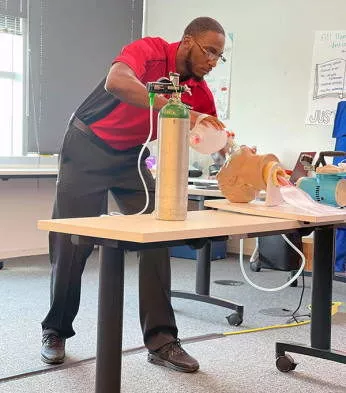
Yes. EMRs are trained to provide life-saving care for their patients. EMRs receive over 50 hours of training in a state-approved course before they can begin providing service. Superior covers the costs of the training. Here are a few of the things that EMRs learn during training.
- CPR/Cardiac Arrest skills
- BVM/Bag Valve Mask skills
- Oxygen administration
- Medical patient assessment
- Trauma patient assessment
- Vitals skills
- Defensive Driving
Do EMRs Need Licenses?
Yes. After the training period is complete, prospective EMRs will be tested on everything they learned. They need to pass a test in order to obtain a state-issued EMR license.
What Does an EMR Do?
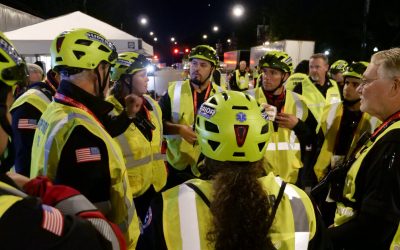
EMRs assist EMTs and paramedics on calls and often serve as the main ambulance driver while the EMT or paramedic cares for the patient in the back of the ambulance. EMRs are also called upon to perform the following:
- Perform first aid and splinting
- Respond to respiratory emergencies
- Respond to diabetic emergencies
- Respond to patients in shock
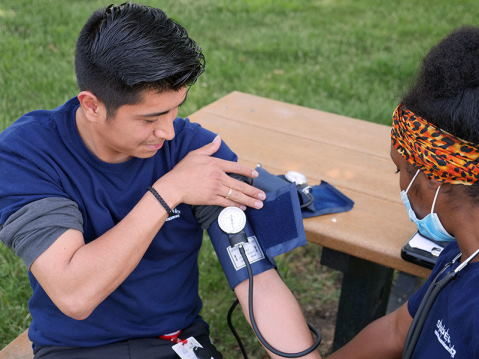
- Take and document vital signs
- Provide lift assists
Do EMRs Administer Medications?
EMRs are permitted to assist patients with taking their prescribed medications. Some examples of meds EMRs can administer are nitroglycerin, albuterol, aspirin, and epinephrine. EMRs also need to understand pharmacodynamics, which is the study of how drugs interact and affect the human body.
EMR: A Great Way to Earn and Learn
EMR is a great job for multiple reasons. It’s a great way to start your EMS career. You’ll be working with experienced EMTs and paramedics who will share their knowledge with you and you’ll also be gaining your own valuable experience.
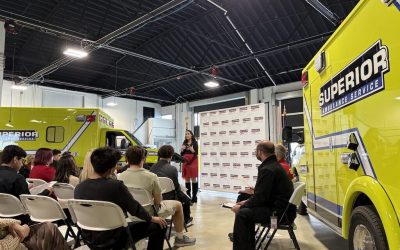
That’s one of the ways you can “Earn and Learn,” but here at Superior you can also take EMT classes scheduled around your EMR shifts. This allows you to maintain an income while also studying to further your EMS career. The best part? Superior will cover the costs of the classes while you’re employed as an EMR. Pass the EMT classes and pass the NREMT exam and you are immediately promoted to EMT here at Superior Ambulance. This is a cost-effective way to build your EMS career and continue toward your goals.
Become a Superior Ambulance EMR!
Start your EMS career with Superior Ambulance!
VIEW EMR OPENINGS